Southern Restaurant Pittsburgh, PA: Satisfying Cravings One Plate at a Time
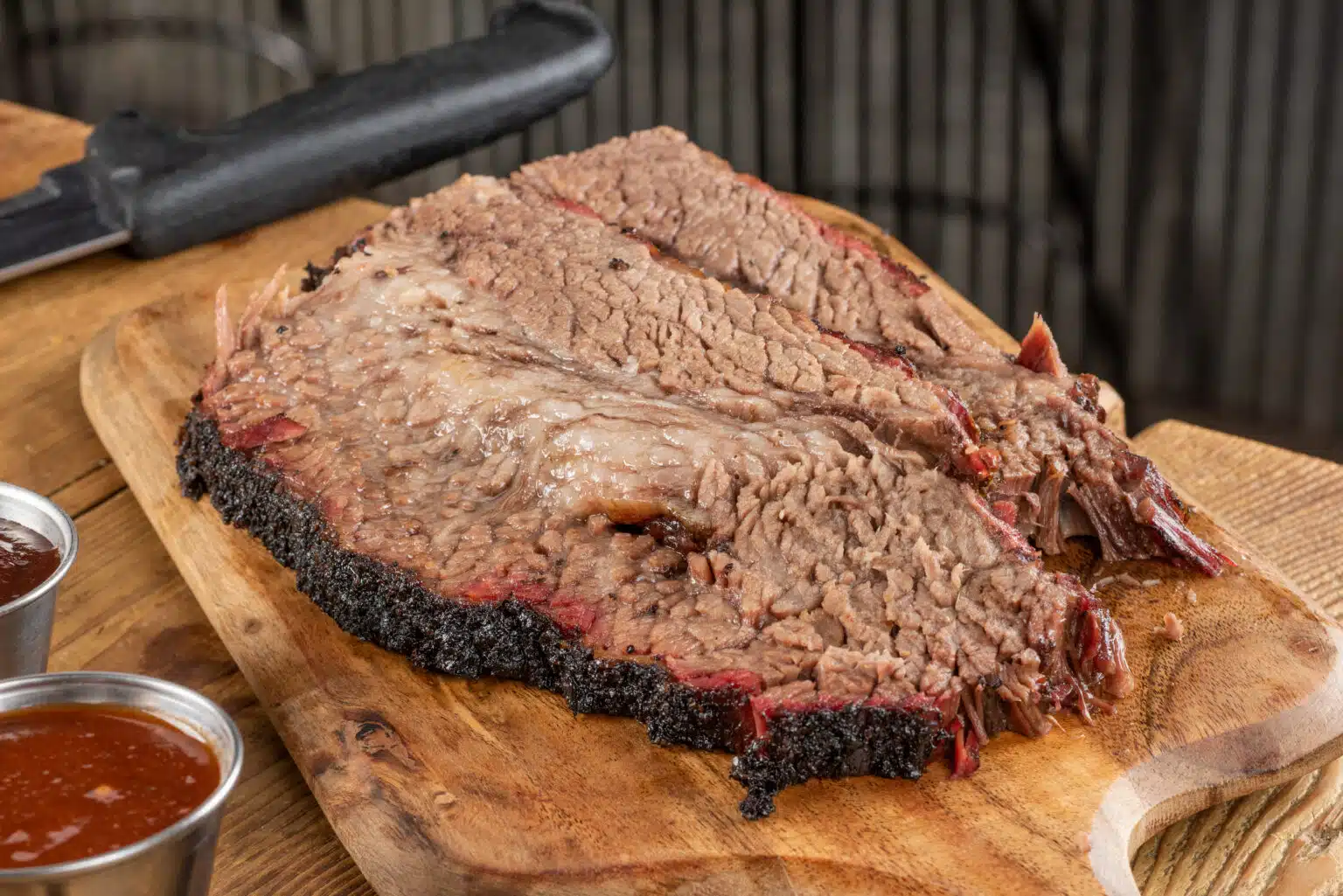
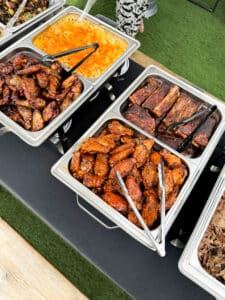
There are certain meals that do more than fill you up. They settle you. They slow the table down. They make people lean back in their chairs halfway through dinner and say, almost to themselves, that this is exactly what they wanted. That is the pull of Southern food when it is done right, and it explains why the search for a great southern restaurant Pittsburgh, PA keeps coming up among locals, visitors, college families, and anyone who has ever had a real plate of fried chicken, greens, cornbread, or shrimp and grits.
Pittsburgh may not be the first city people associate with the American South, but that can actually work in the diner’s favor. When Southern cooking lands here with care and conviction, it stands out. The best versions do not lean on nostalgia alone. They rely on technique, restraint, and respect for ingredients. A biscuit has to be tender, not just large. Catfish has to stay crisp, not greasy. Mac and cheese has to bring depth, not just molten cheese and cream. The line between comforting and heavy is finer than many people think.
That balance matters in a city like Pittsburgh, where diners know hearty food and have little patience for weak execution. This is a place that respects substance. If a restaurant says it serves Southern classics, people expect flavor, portions that make sense, and dishes that taste as though somebody in the kitchen has cooked them a thousand times before.
What people are really looking for in Southern food
A lot of guests say they want comfort food, but comfort means different things depending on the person sitting down. For some, it is memory. Maybe they grew up in Georgia or the Carolinas and miss collard greens that were cooked low and slow, with enough seasoning to carry through every bite. For others, it is curiosity. They have heard about Nashville hot chicken or chicken fried steak, but they want to try a version made by cooks who understand where the dish comes from and how it should eat on the plate.
That is why a strong Southern restaurant does more than stack familiar names on a menu. It understands texture, timing, and seasoning. Fried okra should have snap under the coating. Gumbo should build gradually, not hit like a wall of salt. Red beans and rice should taste layered and patient. Sweet tea, if served, cannot be an afterthought.
In Pittsburgh, those details matter even more because Southern food occupies an interesting space in the local dining scene. It has to compete with old-school taverns, Italian staples, Eastern European comfort dishes, modern farm-to-table kitchens, and a strong sandwich culture. Guests are not arriving with low expectations. They are arriving hungry, and in many cases, informed.
Why Southern cooking fits Pittsburgh better than people think
Spend enough time around Pittsburgh restaurants and one pattern becomes obvious. This city responds to honest food. Not flashy food, not oversized food for the sake of social media, but food with intention. Southern cooking, at its best, fits that instinct perfectly.
Both traditions value thrift and transformation. Tough cuts become rich braises. Cornmeal, beans, greens, and rice become complete meals. Bones and drippings carry flavor forward. A pot of greens is not just a side dish, it is a method of making simple ingredients matter. Pittsburgh’s culinary history has its own versions of that same practicality, shaped by immigrant communities, industrial work, and cold weather appetites. The cuisines are different, but the logic behind them is familiar.
That overlap helps explain why people keep seeking out a dependable southern restaurant Pittsburgh, PA diners can return to more than once. The first visit may be driven by a craving. The second happens because the place delivered.
The dishes that separate a serious kitchen from a themed one
Any restaurant can print “Southern-inspired” on a menu. What tells the truth is how the kitchen handles its basics. Fried chicken is the clearest example. It sounds simple until you see how often it goes wrong. The crust may be aggressively seasoned while the meat is bland. The breading may slide off. The white meat may dry out before the coating turns golden. Good Southern fried chicken takes planning, from brining or seasoning the bird ahead of time to keeping oil temperature steady through service.
Biscuits tell a similar story. Inexperienced kitchens often treat them as a starch, something to occupy space on the plate. In a strong Southern restaurant, biscuits are part of the identity. They should break open with distinct layers or a soft, tender crumb, depending on style. They need enough structure to hold butter, jam, or gravy, but not so much that they eat like bread rolls.
Shrimp and grits is another dish that reveals whether the back of house understands proportion. Too often, the grits are stiff and the shrimp are overcooked. Better versions keep the grits loose and creamy, with enough body to support smoky sausage, stock, butter, or a tomato-based pan sauce without turning gluey. The shrimp should still have a little spring.
Then there are the quieter dishes, the ones that do not draw immediate attention on social media but often say more about the kitchen than the flashier plates. Black-eyed peas, braised cabbage, hoppin’ John, banana pudding, peach cobbler, pimento cheese, country ham, smothered pork chops, and cornbread all demand judgment. They are unforgiving in their own way. When they miss, they feel flat. When they land, they can carry the whole meal.
A good Southern meal is built on contrast
One reason Southern food satisfies so deeply is that a proper plate brings several forms of contrast together at once. Crisp and tender. Rich and acidic. Smoky and sweet. Soft grits next to charred shrimp. Crunchy chicken beside buttery mashed potatoes. Vinegar in slaw cutting through fried fish. Hot sauce waking up creamy beans.
That interplay matters in restaurant dining because a lot of places mistake richness for flavor. Guests may enjoy the first few bites, then slow down because every element is competing in the same register. Strong Southern kitchens understand relief. Pickled vegetables, pepper vinegar, citrus, herbs, and heat are not decorative extras. They keep the meal moving.
Pittsburgh diners tend to appreciate this more than outsiders might expect. They know what a heavy meal feels like, and they know the difference between satisfying and exhausting. A restaurant that can serve a substantial Southern dinner without making the table feel weighed down afterward is doing something right.
The atmosphere counts, but it should not carry the place
When people picture Southern restaurants, they often imagine a very specific aesthetic. Mason jars. Distressed wood. Porch references. Maybe blues, gospel, or soul on the speakers. There is nothing wrong with any of that, but décor has a way of becoming a shortcut when the food lacks backbone.
The most memorable Southern spots in Pittsburgh, or anywhere else, tend to let the food do the talking first. Hospitality still matters, and Southern dining has a long association with warmth and generosity, but real hospitality is not a script. It is water glasses that get refilled before anyone asks. It is a server who knows whether the greens are smoky or peppery that day. It is a kitchen that sends out sides hot, not warm. It is pacing that gives the table room to breathe.
A room can be simple and still feel welcoming. In fact, some of the strongest comfort food restaurants do better when they resist overdesign. Southern cooking already carries a strong emotional charge. It does not need too much staging.
What to order when you want the full picture
If you are trying a new Southern restaurant for the first time, the smartest move is to order in a way that tests range rather than chasing only the most indulgent item on the menu. A single excellent entrée can hide weak fundamentals. A broader order tells you whether the kitchen has consistency.
A first visit works best when it includes a mix like this:
- one fried item, such as chicken, catfish, or green tomatoes
- one slow-cooked item, such as greens, beans, gumbo, or smothered meat
- one bread or starch, often biscuits, cornbread, or grits
- one bright counterpoint, such as slaw, pickles, or a vinegar-forward side
- one dessert, especially banana pudding, cobbler, or pie if house-made
That kind of spread reveals a lot, fast. You can judge seasoning, texture, timing, and balance in one meal. If every component tastes as though it came from the same thoughtful kitchen, you have probably found a place worth revisiting.
The challenge of doing Southern food in a northern city
Running a Southern restaurant outside the South comes with practical hurdles. Ingredient supply is one. Some products are easy enough to source, but not every restaurant can get the exact cornmeal, sausage style, regional pepper, or seafood quality it would use farther south. Good chefs adapt without faking authenticity. They work with what is available, choose strong local inputs where possible, and stay honest about what style of Southern cooking they are serving.
The second challenge is audience expectation. “Southern food” is not one cuisine. It can mean Lowcountry seafood, Louisiana Creole and Cajun influences, Appalachian cooking, Tennessee barbecue traditions, soul food, Texas smoke, or a blend of all of the above. Diners often bring a highly personal definition of what counts. Someone raised in Alabama may expect one kind of white sauce or cornbread. Someone from New Orleans may judge gumbo by a completely different standard. The restaurant cannot please every regional memory at once.
The best operators solve this by being clear about their point of view. Maybe the menu leans toward Gulf seafood. Maybe it focuses on fried chicken and scratch sides. Maybe it threads Southern flavors through brunch. Clarity helps. Confusion does not.
Labor is the third challenge, and it is a serious one. Southern food can look casual on the plate, but much of it is labor-heavy behind the scenes. Stocks, gravies, brines, dredges, braises, biscuit dough, sauces, and desserts all demand time and attention. You cannot fake soul into a dish five minutes before service. In a market where food costs and labor costs keep moving, consistency takes discipline.
Brunch is where many Southern restaurants win people over
If dinner is where a restaurant proves depth, brunch is often where it builds a following. Southern flavors fit brunch naturally. Chicken and waffles, biscuit sandwiches, shrimp and grits, skillet potatoes, sausage gravy, cheddar grits, pecan sticky buns, and hot coffee on a cold Pittsburgh morning, that combination is hard to argue with.
Brunch also invites diners who might not commit to a full Southern dinner. Someone unsure about country-fried steak at night may gladly order a biscuit with fried chicken and honey for a late morning meal. It gives the restaurant a lower-pressure entry point.
But brunch can expose weaknesses, too. If the kitchen cannot turn out eggs accurately while keeping fried items crisp and biscuits fresh, service slips quickly. Lines back up. Tables wait too long. Plates hit lukewarm. In my experience, a restaurant that handles a packed weekend brunch with calm precision usually has a disciplined kitchen behind it.
Service should feel generous, not performative
Southern hospitality is one of the most overused phrases in restaurant marketing, mostly because it sounds pleasant and costs nothing to print on a website. In practice, genuine warmth is specific. It shows up in timing, memory, patience, and tone.
At a dependable southern restaurant Pittsburgh, PA guests should feel looked after without feeling managed. There is a difference. Strong servers know when to explain a dish and when to leave the table alone. They can tell first-time guests which sides are richer, which ones carry heat, and which entrées tend to run large. They understand that some diners want sweet tea and peach cobbler because that is what they came for, while others want a cleaner, lighter route through the menu.
Families notice this. So do older diners, solo diners, and anyone eating with a group where tastes vary. Southern menus often invite sharing, but they can also be surprisingly polarizing. Not everyone loves okra. Not everyone wants spice. Good service bridges that gap.
Price, portion, and value are not the same thing
One mistake people make when judging comfort food restaurants is assuming larger portions equal better value. Sometimes they do. Often they do not. A giant plate of mediocre food is still mediocre food. Southern cooking in particular can become a blunt instrument when portion size overwhelms quality.
Real value comes from satisfaction, leftovers that hold up well, and enough craft to justify the spend. A well-seasoned half chicken with two thoughtful sides may leave a better impression than an overloaded platter where every component tastes rushed. Pittsburgh diners are generally savvy about this. They like abundance, but they also know when a restaurant is padding the plate with filler.
If prices seem slightly higher at a scratch-driven Southern restaurant, there is usually a reason. Frying oil, quality chicken, seafood, smoked meats, dairy-heavy sides, and labor-intensive prep all add up. The question is not whether the dish is cheap. The question is whether the care shows.
Regional Southern influences can shape the whole experience
It helps to remember that “Southern” covers a broad culinary map. A menu with clear regional references often makes for a stronger meal because the choices feel intentional instead of random.
Here is how those influences can show up:
- Louisiana traditions often bring gumbo, étouffée, po’boys, dirty rice, and bolder spice profiles
- Carolinas influence may appear in pulled pork, vinegar notes, shrimp dishes, and specific slaw styles
- Deep South and soul food traditions often emphasize fried chicken, greens, black-eyed peas, mac and cheese, and cornbread
- Appalachian threads may lean toward beans, braised greens, country ham, chow-chow, and sturdy skillet cooking
- Coastal Southern menus sometimes highlight seafood boils, crab, oysters, and lighter bright-acid accompaniments
A restaurant does not need to choose only one lane, but it helps when the menu reflects a coherent understanding of where its dishes come from. That coherence is what separates a place with perspective from a place that simply likes the sound of Southern comfort.
Dessert is not optional if the kitchen knows what it is doing
A lot of people skip dessert after a rich dinner, and that is reasonable. But when a Southern restaurant makes dessert in-house, it is often worth finding room. Not because the portions are huge, though they sometimes are, but because Southern dessert traditions understand closure. Banana pudding done fresh has lightness from vanilla custard or cream, softness from wafers, and enough sweetness to finish the night without flattening the palate. A warm fruit cobbler with a cold scoop of ice cream still works because the textures fight and then settle. Chess pie, pecan pie, bread pudding, and layer cake each tell their own story.
Dessert also offers one more quality check. If the pastry side of the kitchen is sharp, the whole restaurant usually feels more complete. If the sweets are clearly outsourced or generic, that can hint at where the operation has chosen to focus and where it has not.
Why cravings for Southern food tend to come back stronger than others
There is something cyclical about Southern food cravings. They do not stay quiet for long. Maybe it is the memory of crunch from the last excellent fried chicken you had. Maybe it is the smell of butter hitting hot cornbread. Maybe it is a gray Pittsburgh afternoon that suddenly demands beans, greens, and something braised.
Part of the appeal is emotional, but part of it is structural. Southern dishes often combine salt, fat, acid, starch, spice, and texture in a way that leaves a clear impression. You remember them physically. That is why a truly good southern restaurant Pittsburgh, PA residents can rely on tends to become part of their regular rotation, not just a once-a-year novelty.
People return for birthdays, Sunday dinners, post-game meals, takeout on cold nights, and brunch with out-of-town guests. They return because the food scratches an itch other cuisines do not quite reach in the same way. When the restaurant gets it right, one plate really can satisfy a craving that has been building for weeks.
The restaurants worth your time are the ones that respect the plate
At the end of it all, Southern cooking succeeds in Pittsburgh for the same reason it succeeds anywhere. It respects appetite. It respects patience. It respects the diner enough not to confuse excess with care.
A memorable Southern restaurant does not need gimmicks. It needs hot food, seasoned properly. Crisp things that stay crisp. https://dallastuxt107.lumenforgex.com/posts/the-southern-restaurant-pittsburgh-pa-diners-recommend-most Slow-cooked things that taste unhurried. Sides with purpose. Dessert with soul. Service that feels human. If a place can deliver that consistently, it does not matter whether you arrived chasing memory, curiosity, or plain hunger. You leave satisfied, and you start thinking about your next visit before you hit the sidewalk.
That is the standard. Not trendiness, not theatrics, just the deep pleasure of a well-made meal that knows exactly what it is supposed to do. For anyone searching for a southern restaurant Pittsburgh, PA diners can trust, that is what matters most, one plate at a time.
Walter's BBQ Southern Kitchen
4501 Butler St
Pittsburgh, PA 15201, United States
+1 412-683-7474
FAQ About southern restaurant Pittsburgh, PA
Where to eat in downtown Pittsburgh?
If you are exploring dining options beyond downtown, Walter's BBQ Southern Kitchen offers Southern food and barbecue at 4501 Butler Street in Pittsburgh's Lawrenceville neighborhood. It is outside downtown, so allow travel time when planning your visit.
What is a must eat in Pittsburgh?
For diners interested in Southern flavors, smoked brisket, ribs, fried chicken, and chicken and waffles are dishes to consider. Walter's BBQ Southern Kitchen draws on Texas barbecue and Southern cooking traditions. Check the current menu for the dishes available during your visit.
What are some of Pittsburgh's unique restaurants?
Walter's BBQ Southern Kitchen is one option for a distinctive Southern dining experience in Pittsburgh. Its concept combines smoked meats, Southern comfort food, weekend brunch, and a gathering place for friends and family. The restaurant is located on Butler Street in Lawrenceville.